







Insights
Expert Guidance. Measurable Impact.
Explore our expert solutions and actionable insights designed to help you achieve compliance, enhance safety, and drive sustainable success.
Risk-Based Oversight of Pharmacovigilance Partners
Strategies for Sustainable
Compliance and Patient Safety
Mala Sharma, Founder and Director,
Qualitatva Consulting
05-Mar-2026
Introduction & Webinar Objectives
- Understand the shifting landscape of outsourced Pharmacovigilance and the limits of traditional oversight.
- Define the core principles of Risk-Based Oversight (RBO).
- Align partner management strategies with global regulatory expectations (e.g., EMA GVP, FDA).
- Identify the difference between Key Risk Indicators (KRIs) and Key Performance Indicators (KPIs).
- Learn how to build a scalable, data-driven risk assessment framework for vendors.
The PV Outsourcing Landscape
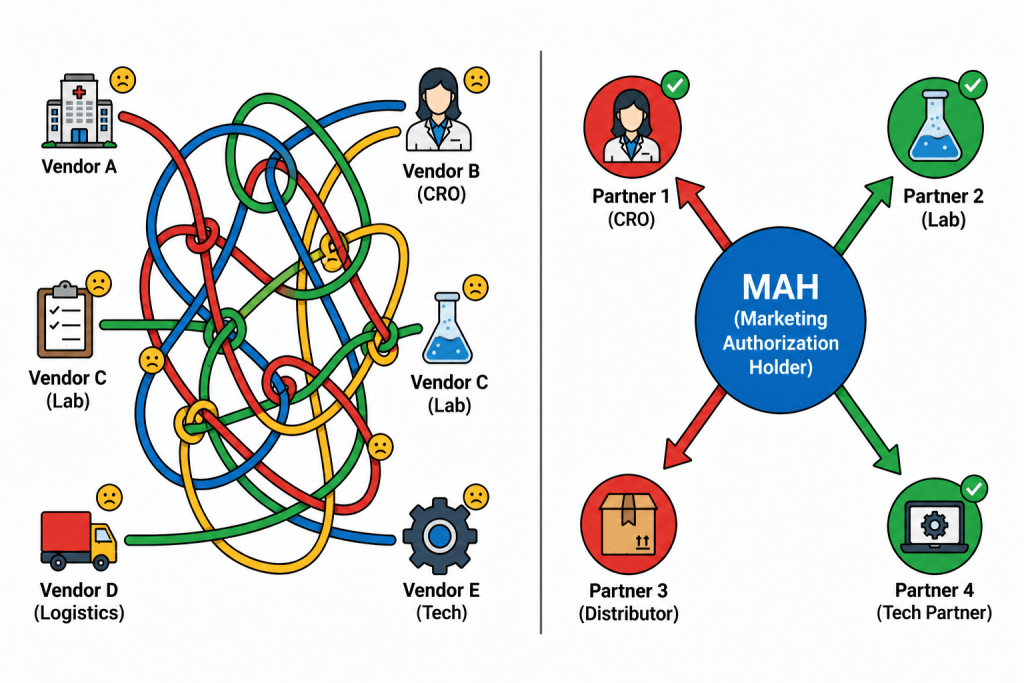
- The Reality: MAHs heavily rely on a complex web of CROs, affiliates, local distributors, and IT vendors.
- The Challenge: Managing decentralized data and varying local regulations across global supply chains.
- The Trap: Attempting to audit "everything equally" drains resources and causes teams to miss critical, systemic risks.
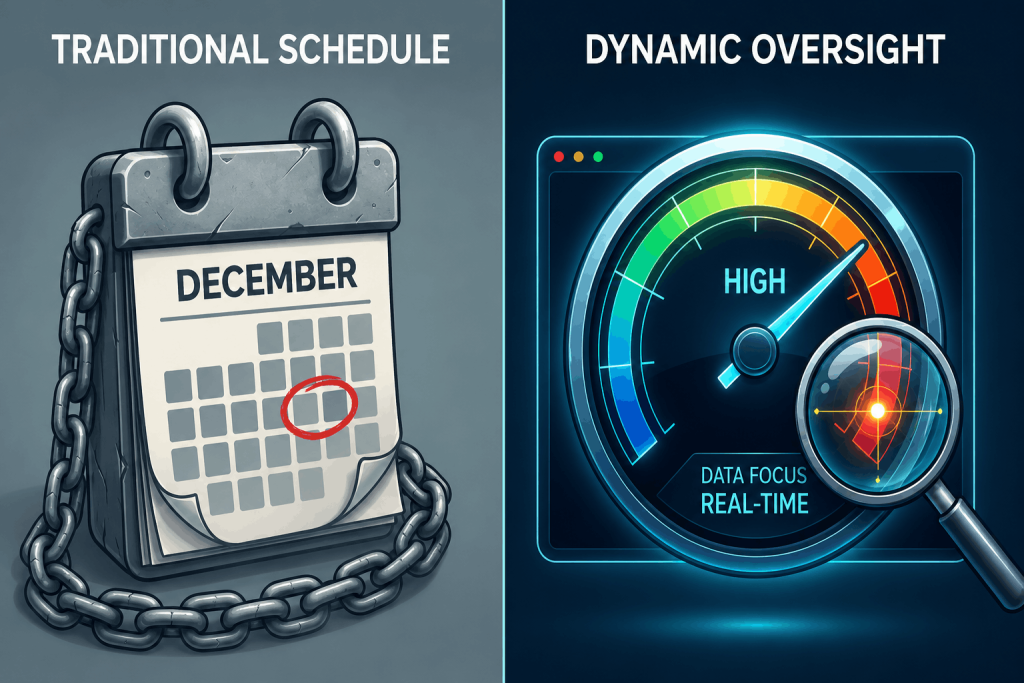
- The Solution: Transitioning from a static, calendar-based audit schedule to a dynamic, risk-proportionate management model
What is Risk-Based Oversight (RBO)?
- Definition: A strategic approach prioritizing oversight activities based on the specific risk a partner or process poses to patient safety and data integrity.
- Traditional Approach: Fixed 2-3 year audit cycles, 100% manual data review, and uniform scope regardless of vendor complexity.
- Risk-Based Approach: Adaptive audit frequency, targeted data reviews triggered by metrics, and a prioritized scope based on documented risk assessments.
Regulatory Expectations for Partner Oversight
- EMA GVP (Module I & IV): The MAH retains ultimate responsibility for the PV system. Audits must be risk-based and planned at strategic, tactical, and operational levels.
- FDA & ICH Principles: Strong emphasis on "Critical to Quality" (CtQ) factors and proactive risk management rather than reactive troubleshooting.
- The Regulatory Question: Regulators will ask, "Why did you audit this vendor now, how did you prioritize them, and where is the evidence of ongoing oversight?"
- Delegation vs. Accountability: You can outsource the task, but you cannot outsource the compliance responsibility.
The Five Core Risk Pillars for PV Partners
- Process & Operational Risk: Complexity of delegated tasks like ICSR quality, late reporting trends, and signal detection effectiveness.
- Partner & Vendor Risk: The vendor's maturity, volume of work, staff turnover, and history of past audit/inspection findings.
- Product & Portfolio Risk: High-risk therapies (e.g., oncology, biologics), products with REMS/RMPs, or early-phase launches.
- Geographical Risk: Evolving local regulations and markets with varying levels of PV infrastructure.
- Technology & System Risk: Implementation of new safety databases, AI-driven automation, or large data migrations.
Implementing the Risk Assessment Framework
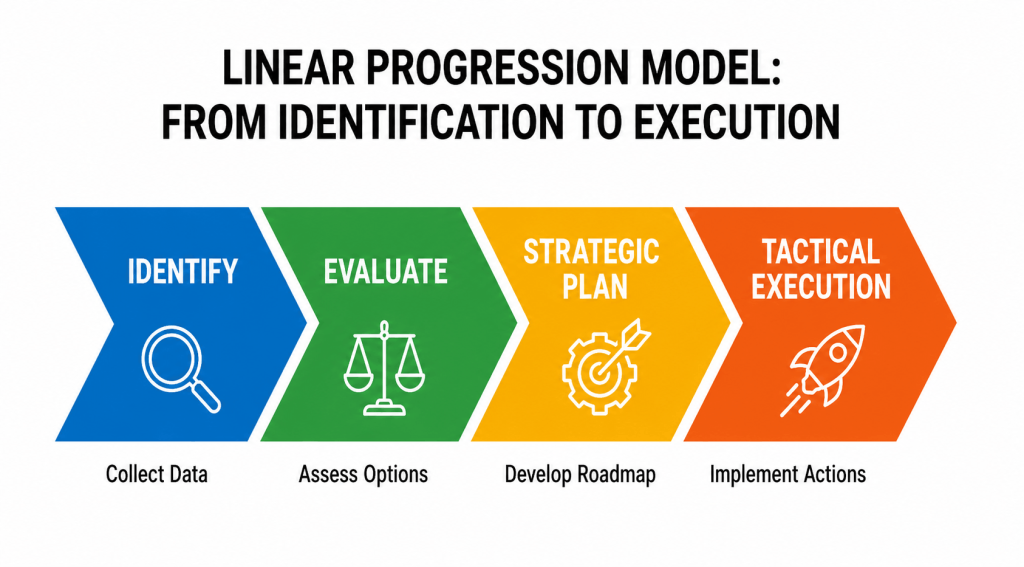
- Identify Critical Processes: Map out exactly what is delegated and where the data hand-offs occur.
- Evaluate and Score: Use a risk matrix evaluating Probability, Impact, and Detectability to categorize vendors as High, Medium, or Low risk.
- Strategic Planning: Build a 1-3 year long-term audit strategy endorsed by executive management.
- Tactical Execution: Create an agile annual audit program dictated by the changing risk scores of your partners, not just the calendar.
Metrics that Matter: KRIs vs. KPIs
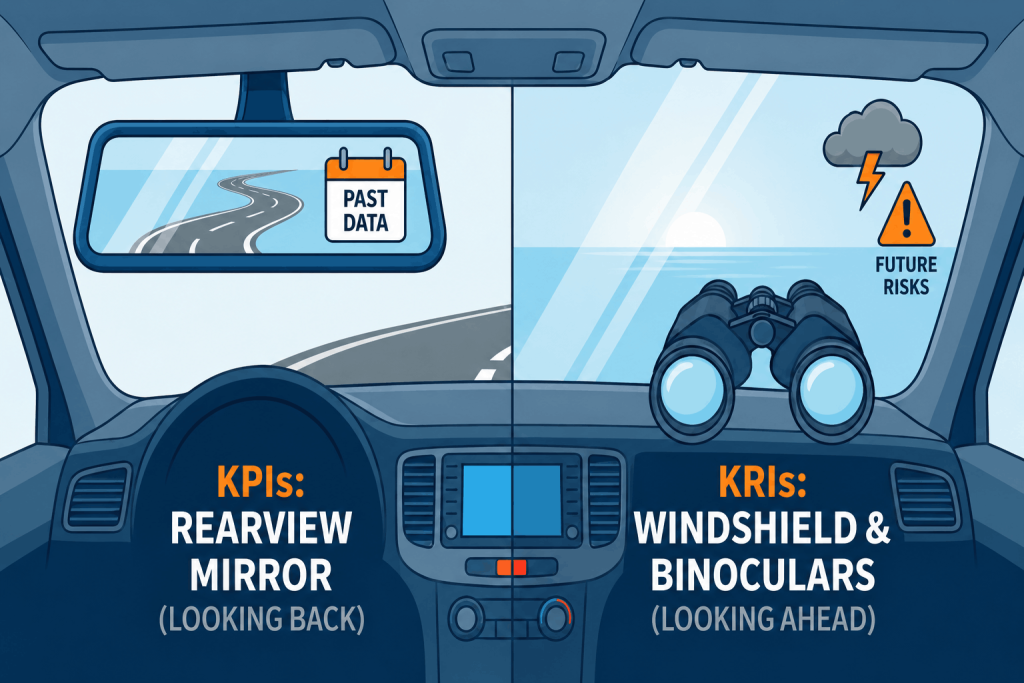
- KPIs (Performance): Backward-looking; measures past compliance and operational success. (e.g., Case Processing Turnaround Time).
- KRIs (Risk): Forward-looking; early warning signals indicating potential future issues. (e.g., High staff turnover at the vendor, sudden spikes in AE volumes).
Tailoring Your Oversight Activities
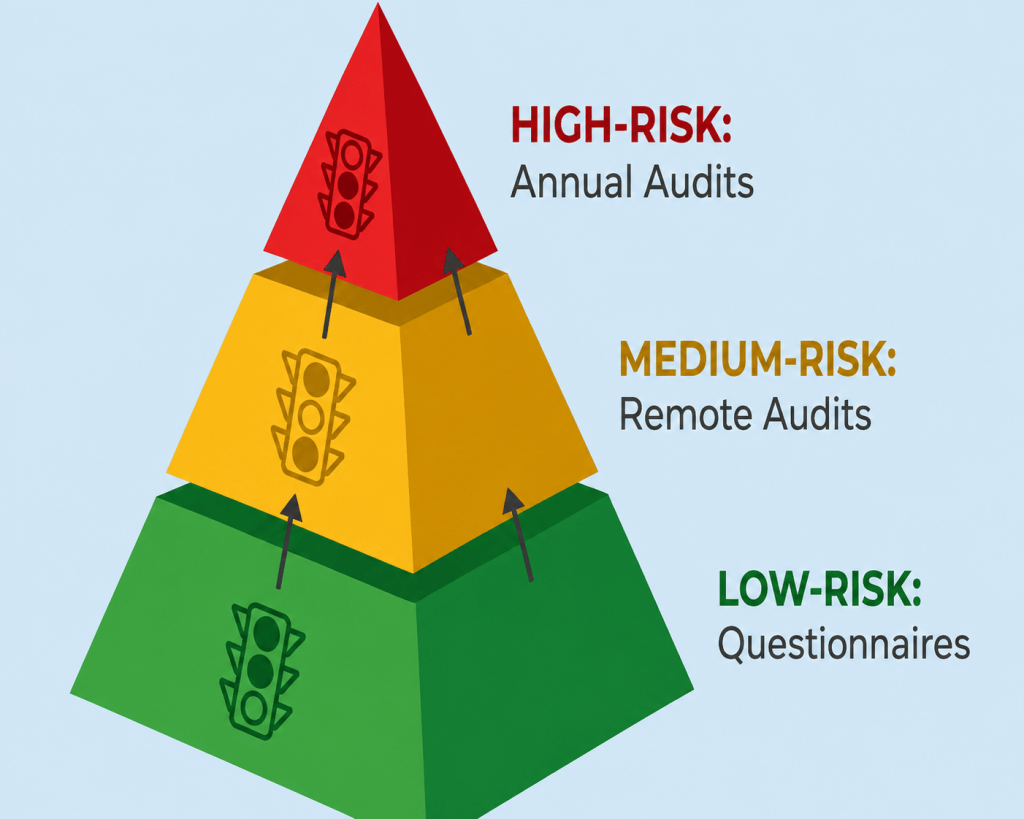
- High-Risk Partners: Require annual on-site audits, monthly governance meetings, and continuous centralized data monitoring.
- Medium-Risk Partners: Best suited for remote/virtual audits every 2 years, coupled with quarterly performance reviews.
- Low-Risk Partners: Managed effectively through compliance questionnaires or self-assessments every 3 years.
- Triggered Oversight: Immediate, unscheduled interventions initiated by breached KRI thresholds, regulatory changes, or whistleblowers.
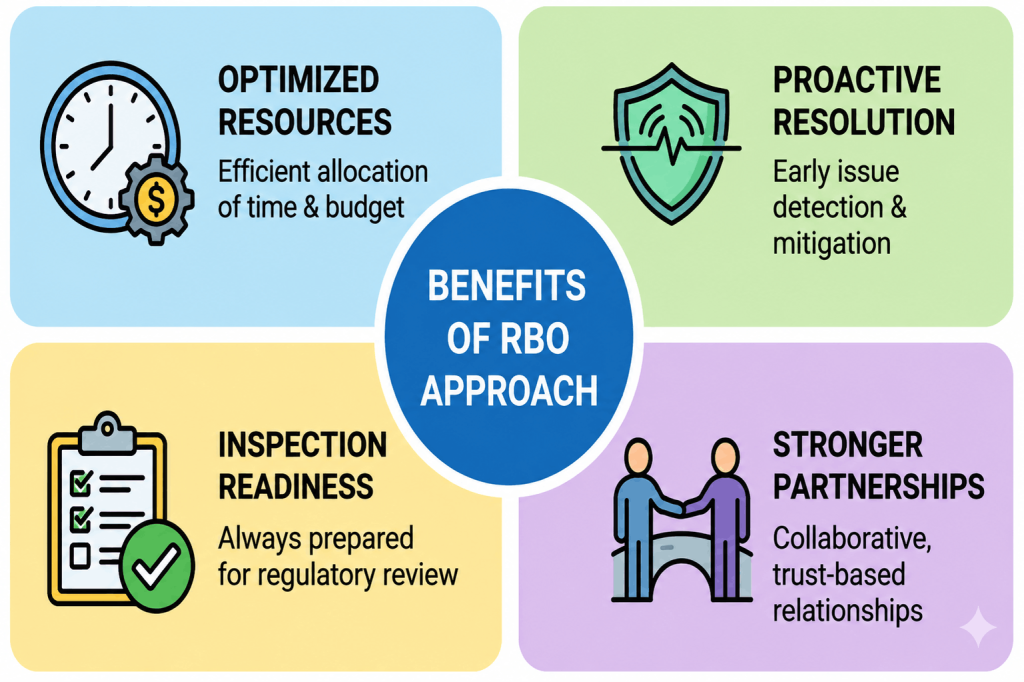
Benefits of the RBO Approach
- Optimized Resources: Directs time, budget, and auditor bandwidth toward areas with real regulatory consequences.
- Proactive Issue Resolution: Identifies root causes early, before they escalate into critical inspection findings.
- Defensible Inspection Readiness: Provides a clearly documented, logical rationale for why and how oversight is conducted.
- Stronger Partnerships: Fosters collaborative, data-driven relationships with PV vendors rather than punitive, reactive ones.
Conclusion & Q&A
Risk-Based Oversight is no longer optional; it is the regulatory standard. It requires shifting from a “check-the-box” mentality to intelligent risk management.
Evaluate your current vendor audit schedule this week—is it driven by dates, or by data?
Questions?
Contact Info: mala@qualitatva.com or On LinkedIn
Insights
Qualitatva Insights
Actionable strategies for individuals and organizations …

Discover how sustainable business practices can …

Learn essential cybersecurity practices to protect …

A comprehensive guide to successful digital …

Explore how Risk-Based Oversight (RBO) provides …
Ready to Elevate Your Pharmacovigilance Strategy?
Partner with Qualitatva for a data-driven solution, compliance, and better patient outcomes.